Cultural & Historical
Village Tour & Traditional Cooking Class
Immerse in authentic Zanzibari culture and learn local cooking secrets
Half Day (5 hrs)
4.8 (73 reviews)
Zanzibar, Tanzania
Immerse in authentic Zanzibari culture and learn local cooking secrets
No visit to Zanzibar is truly complete without diving deep into the island's extraordinary cultural fabric — the living traditions, daily rhythms, and culinary heritage that make Zanzibar so much more than just a beautiful beach destination. The Village Tour & Traditional Cooking Class is the most intimate, authentic, and personally meaningful experience we offer.
The experience begins at a working spice farm in the countryside outside Stone Town, where you will discover why Zanzibar earned the nickname "The Spice Island" — arguably the most appropriate geographical nickname in the world. For centuries, Zanzibar was the world's principal source of cloves, cinnamon, cardamom, nutmeg, vanilla, black pepper, and turmeric, and the island's landscape is still redolent with their extraordinary fragrances.
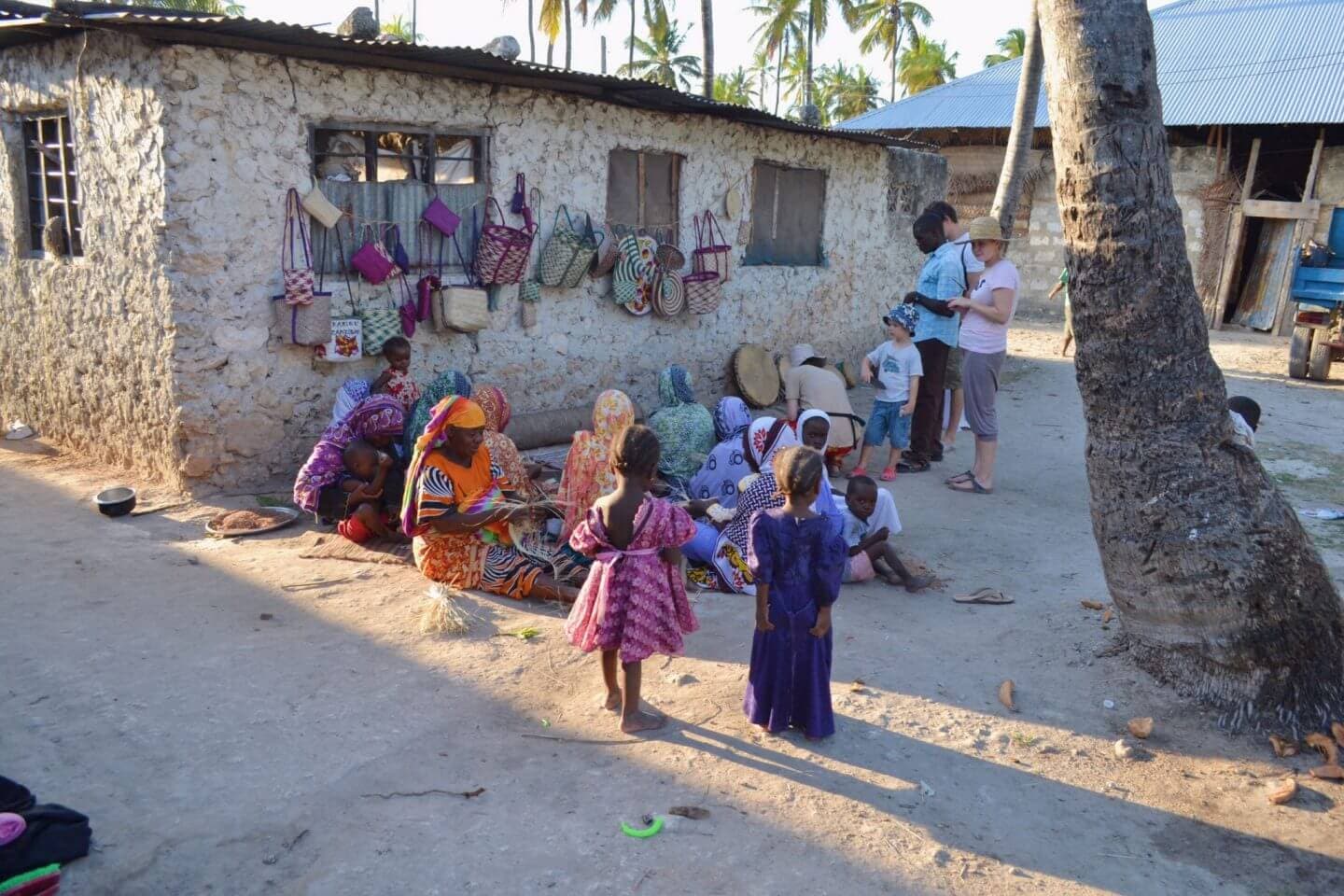
After the spice farm, we visit a traditional Swahili village where you will be welcomed into local family homes, meet women, children, and elders, and gain genuine insight into a way of life that has changed remarkably little in essential respects over hundreds of years. This is not a tourist performance — it is a real community that graciously shares its daily life with curious visitors.
The cooking class brings everything together. Under the guidance of a local Mama who has been cooking Zanzibari food for her family her entire life, you will prepare a four-course traditional meal using the spices and ingredients you have encountered throughout the day, then sit down together to share and celebrate what you have created.
Zanzibar's spice trade shaped the modern world. The Arab Omani Sultanate that ruled the island from the 17th to 19th centuries established vast spice plantations that exported to Europe, America, India, and Arabia. At its peak, Zanzibar supplied 90% of the world's cloves.
Your farm guide will lead you through the spice gardens, revealing plants and their uses in ways that are genuinely surprising even to people who cook regularly. You will smell fresh vanilla orchid flowers, taste raw cinnamon bark directly from the tree, feel the waxy smoothness of nutmeg seed in its protective scarlet mace casing, and discover the tiny clove buds that once fuelled an entire empire's economy.
The guide will also demonstrate traditional uses for spices beyond cooking — as medicines, perfumes, insect repellents, and preservatives. Zanzibar's traditional medicine (dawa ya asili) is still widely practised alongside modern healthcare, and many of the remedies have genuine pharmacological basis.
At the end of the spice tour, guests receive a gift bag of fresh spices to take home — a fragrant souvenir that will perfume your luggage and kitchen for weeks.
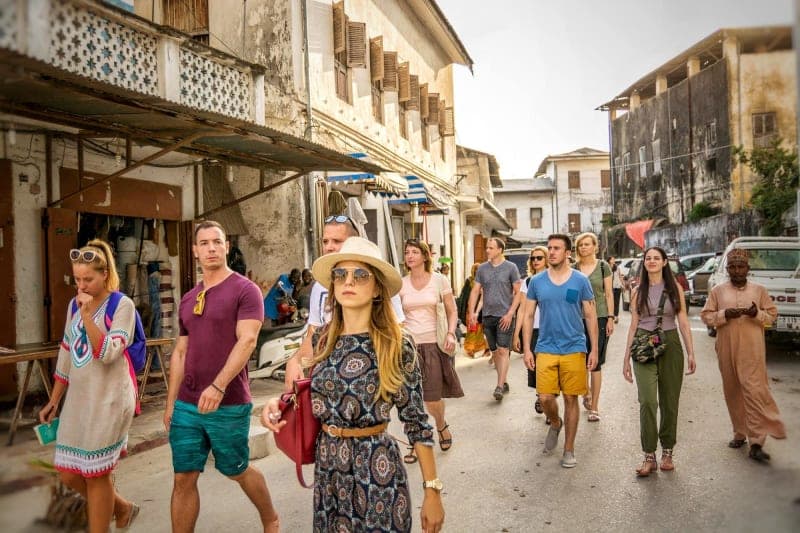
The village visit is the heart of the cultural experience. Zanzibar's rural communities maintain traditional Swahili lifestyles that have deep roots in East African, Arab, and Persian cultural traditions. The rhythms of daily life — morning prayers at the mosque, the work of fishing and farming, the gathering of women to weave mats and baskets, children playing in the sandy streets — create a scene of timeless beauty and vitality.
Your guide, who grew up in a village similar to this one, will facilitate genuine introductions and conversations. You will be welcomed into a family compound — a cluster of coral stone buildings around a central courtyard that houses extended family members across several generations.
The warmth and openness with which Zanzibaris receive visitors is remarkable. The traditional greeting — "Karibu Zanzibar!" ("Welcome to Zanzibar!") — is not a commercial pleasantry but a genuine expression of the island's extraordinary hospitality tradition, known as ukarimu in Swahili.
Children will inevitably be curious and delightful. They will want to practise English, show you their games, and demonstrate the coconut tree climbing skills they develop from an early age. These spontaneous human connections are often the most memorable part of the entire experience.
The cooking class takes place in a traditional kitchen — a wood-fired open hearth kitchen of the type that has been used in Zanzibar for centuries. The smells alone are intoxicating: wood smoke, frying garlic, toasting spices, and simmering coconut milk.
Under the patient guidance of your host Mama, you will prepare a four-course Zanzibari meal that might include: Zanzibar Mix (a street-food classic of cassava chips, bhajias, and chutney), mkate wa ufuta (sesame bread), coconut fish curry with pilau rice, and maandazi (Swahili doughnuts) with chai ya tangawizi (spiced ginger tea).
You will learn the fundamental techniques of Zanzibari cooking: how to grind spice pastes by hand using stone mortar and pestle, how to extract coconut milk from fresh grated coconut, how to achieve the perfect balance of sweet, sour, spicy, and savoury in the island's distinctive cuisine.
The meal you create together is then shared communally — host family, guides, and guests sitting together in the warm afternoon light, eating the food you made, sharing stories, and experiencing the kind of genuine connection across cultures that is increasingly rare in our fast-moving world.
“Absolutely incredible experience! Swimming with wild dolphins was a dream come true. Our guide Mohammed was knowledgeable and made sure everyone felt safe. The snorkeling at Mnemba Atoll was the best I've ever done. Worth every penny!”

Sarah Mitchell
United Kingdom
“Safari Blue exceeded all expectations. The fresh grilled lobster on the sandbank with the turquoise water backdrop. I'll never forget it. The team was professional, friendly, and made us feel like royalty. Book this tour!”

Marco Rossi
Italy
“We booked the sunset cruise for our anniversary and it was pure magic. The traditional dhow, the live music, the spectacular sunset over the Indian Ocean... My husband and I still talk about it as the best evening of our trip.”

Emma Johnson
United States
Starting from
From $60
per person